

Your treatment is over, but life hasn’t returned to normal. You’re scared it might come back. It doesn’t matter how long it’s been since treatment; fear is normal for cancer patients.1
You may feel like you’ve lost control, but there are ways to take it back.
I’ve changed my life since I got Triple Negative Cancer at 33. My body had been giving me signs it was rundown, but I kept pushing it. After 15 months chemo, surgery, and radiation, I wasn’t cured and had a high chance of recurrence. I was scared and needed to change. Now, I’m a Health and Nutrition Coach who helps women recover after cancer treatment.
Here’s how you can take control and recover from treatment.
Manage stress and cherish rest.
When the body experiences stress it releases stress hormones in a flight-or-fight response. This is beneficial in small doses but harmful when chronic.2
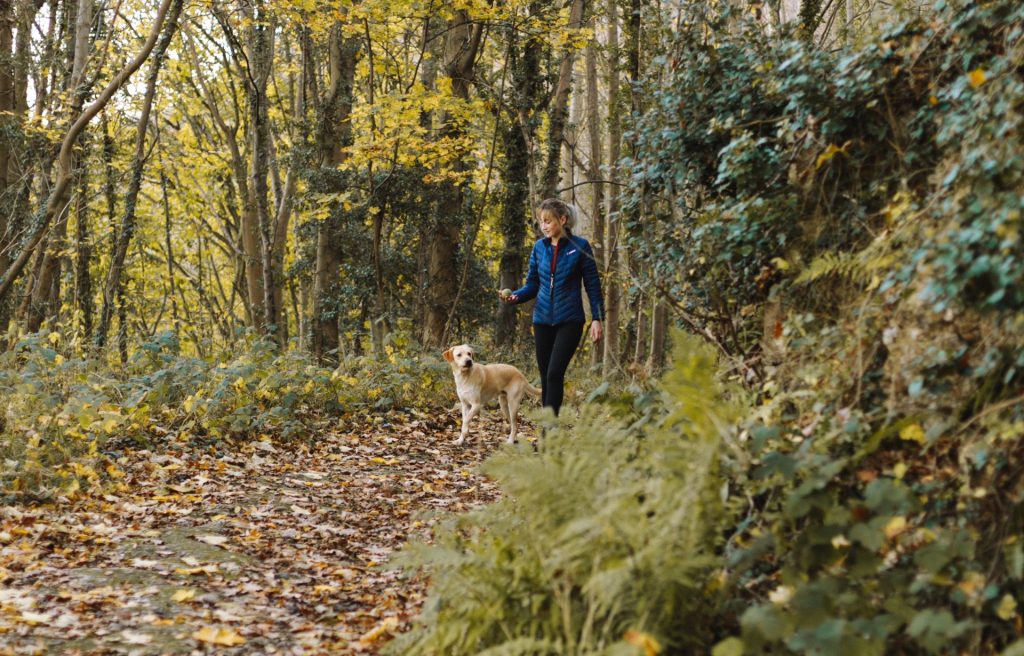
If you’re rushing from waking until sleep, you’re most likely causing your body stress. It is helpful to start your day slowly. Try rising an hour early to say health affirmations, sit in the sun or set your priorities. Take a break for a slow walk. Spend time in nature or meditate. It doesn’t matter what you choose, just aim to start your day calm and in control, and that will flow through your day.
Regular exercise has been shown to reduce stress and can assist in a greater sense of wellbeing while recovering from cancer.3 Adding physical activity to your day is easy. Focus on small steps to make your life more active, such as taking a gentle morning walk. Do check with your doctor before you begin any exercise program with a health coach or personal trainer.
Even if you manage regular stressors, fear of recurrence can strike at any time. Breast Cancer Network Australia says that fear will probably never go away entirely, but there are ways to manage it. Check out their website for helpful suggestions.4
Improving length and quality of sleep is critical to health. Deep sleep enables melatonin to be released, which drops body temperature and allows our immune system to search, destroy and repair. It’s the only time our gut can clean itself as it’s constantly digesting through the day. Our brain needs time to sort and store memories. Our muscles, cells, and organs repair after they’ve been busy all day. If you struggle to get to sleep or stay asleep, try earplugs and an eye mask, charging your phone in another room and going to bed early. Check out the Cancer Australia website for more ideas.5
Focus on nourishing foods.
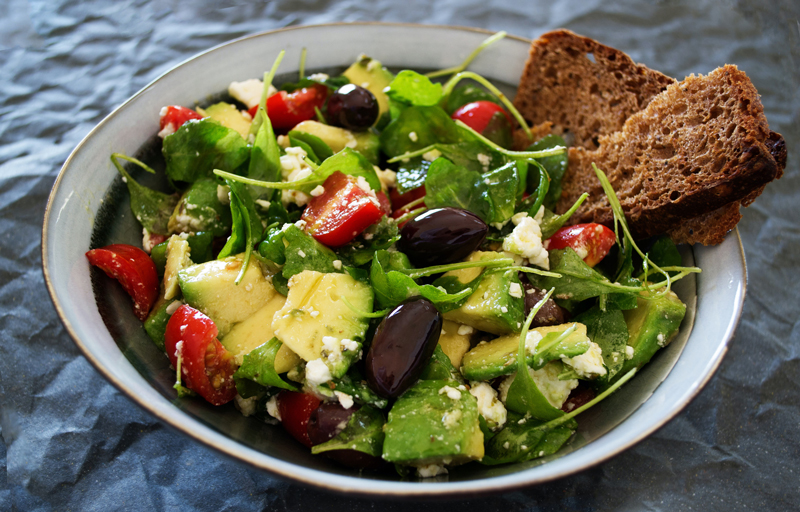
Eating healthy reduces your risk of more than 10 types of cancer6. Eating a diet rich in vegetables, fruit, wholegrains, legumes, beans, nuts, and seeds can lower your risk of cancer.6 These foods reduce inflammation and contain vital antioxidants and fibre that reduce the risk of cancer. You don’t have to stop eating what you love. Just add or swap to healthy foods where possible.
Add or increase:7
- Vegetables, especially greens
- Fruit, especially berries
- Wholegrain cereals, breads, pasta, and rice
- Legumes and beans like peas, beans, lentils, and chickpeas
Reduce your intake of:7
- Red meat (and avoid processed meats like bacon and ham, if possible)
- Salt
- Fried foods
- Sugary foods and drinks
Reduce alcohol
Alcohol is linked to eight different cancers including breast cancer.8 It’s best to limit alcohol or not drink at all. This means one standard drink a day for women with a maximum 10 per week. A glass of wine is 1.3 std drinks. Try to swap for non-alcohol alternatives like alcohol-free wine and beer, kombucha, cold-pressed juice, tea, or sparkling water.8 One of the best strategies is to set yourself a limit: every time you have an alcoholic drink, note what number drink it is for that week.
Honour your needs
One of the best ways to take control after cancer is to honour yourself and your needs. I personally realised I’d been living my life based on what others wanted. I couldn’t say no to social events despite feeling exhausted. I was disconnected from my body, and my needs.
Listen to your body and the signs it gives. When feelings come, ask them why they’re there, what they need and comfort yourself. Get clear on who you want to spend time with and who you can be honest with. Learn to communicate what you feel like doing and how to say no to things that aren’t what you need. Setting and honouring clear boundaries is critical for your health after treatment.9
Having spent 3 years feeding my body the foods and habits it needs to function; I hope it can help you recover too. You’ll have more time and feel calm. Your constant worry will quieten. You’ll believe you’re going to be ok. Your body will recover, and cancer will be part of your story, but not all of it.
1. Fear of the Cancer Coming Back | Cancer Council NSW
2. Is there a Connection between Stress and Cancer | ACRF
3. Cancer survivors: Care for your body after treatment – Mayo Clinic
4. Fear of cancer recurrence | Breast Cancer Network Australia (bcna.org.au)
5. Sleep problems | Cancer Australia
6. World Cancer Research Fund Australian Institute for Cancer Research. Diet, Nutrition, Physical Activity and Cancer: a Global Perspective. Continuous Update Project Exert Report 2018. Available from dietandcancerreport.org
7. Eat healthy | Cancer Institute NSW
8. https://www.cancer.org.au/cancer-information/causes-and-prevention/diet-and-exercise/limit-alcohol
9. Coping with Cancer by Setting Boundaries | BIDMC of Boston