

Cancer is supposed to end when the treatment ends. That’s what everyone thinks. Hair grows back, you ring a bell, you get a certificate, you...

When someone you care about is diagnosed with cancer, it’s natural to want to help. But knowing how to support someone going through cancer can...

Zoe was 28 years old when she was diagnosed with Stage 1 triple negative breast cancer (TNBC) in August 2024. Her connection to hereditary cancer...

In May 2022, life was good for Leanne. She was 38, ‘textbook healthy’: active, eating a good-ish diet, getting good-ish sleep, exercising regularly and hadn’t...

One night in August 2024, Jaime was pulling up her bed sheets when her hand brushed over a lump in her left breast. It felt...

Living with metastatic breast cancer (MBC) is a profoundly physical journey, but it can also be an emotional and spiritual one. For many, the path...

Linda’s journey is one of both immense love, deep heartache and persistent hope. In September 2021, while 30 weeks pregnant with her second son, Eli,...

Caring for a loved one with advanced cancer can take its toll, both physically and emotionally. Acknowledging just how hard it is can be validating...
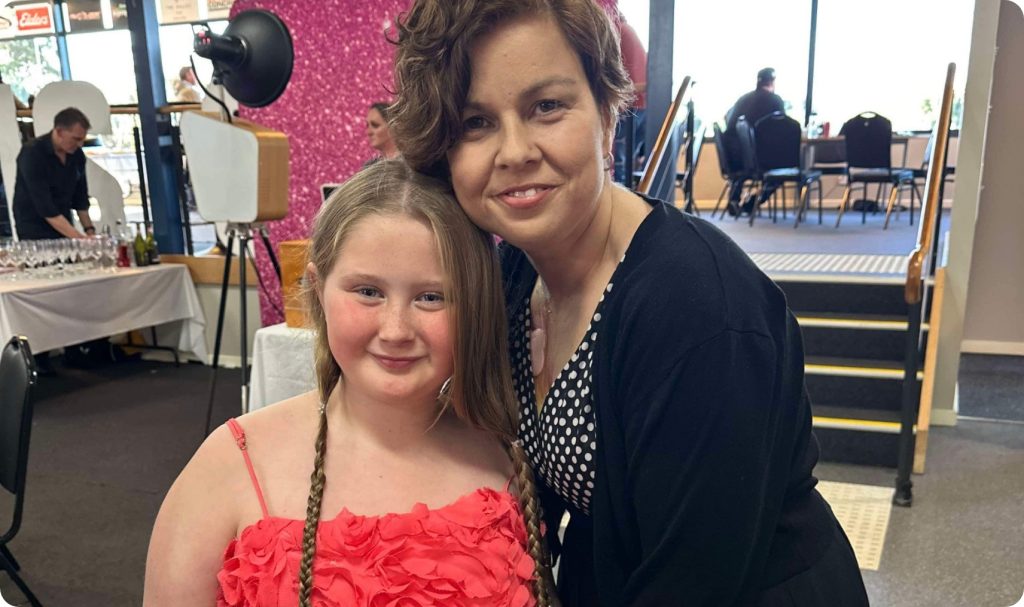
In early 2023, I was diagnosed with stage 2, grade 3 triple-negative breast cancer (TNBC). It was a moment that changed my life. Initially, my...

Your treatment is over, but life hasn’t returned to normal. You’re scared it might come back. It doesn’t matter how long it’s been since treatment;...

By Elise Sproll You’ve taken years to build your career and you don’t want cancer to take that away. You know you’ll need to slow...

Current treatments for TNBC can cause dramatic changes to your appearance. As a group, many of us felt completely unprepared for the changes we were...

Stormy, a member of the OurTNBC Working Group, was diagnosed with triple negative breast cancer on 23 August 2021. In a series of blog posts,...

Real life experiences Pamela’s story – parenting through cancer they diagnosed me with breast cancer in 2021. My mother had also survived cancer years...
This site is tailored to meet you where you are, offering practical resources, personal stories, insights, and more—all in one easy-to-navigate space. By choosing the stage relevant to you, the information available on this site will be tailored to you.
These are explanations of terms that medical professionals and others may use when discussing your TNBC.
Advanced breast cancer
A commonly used term for secondary, metastatic or stage 4 breast cancer
Adjuvant therapy/treatment
Treatment (e.g. chemotherapy) given after surgery.
Alopecia
Hair loss
Areola
The area around the nipple
Axillary dissection/clearance
The removal of some or all of the lymph nodes from the armpit to see if the breast cancer has spread beyond the breast.
Benign
Not cancerous
Biopsy
The removal of cells or tissue from the body to see if they are cancer cells
BRCA1 and BRCA2
Women with a fault, or mutation, in one of these genes have a higher than normal chance of developing breast or ovarian cancer
Breast conserving surgery
Surgery to remove breast cancer and a small area of healthy tissue around the cancer. Also known as lumpectomy.
Chemotherapy
Treatment for cancer using drugs
Clinical trials
Studies involving patients to see if a new treatment is better than an existing one
Complementary medicines
Complementary medicines are products that are used in addition to conventional medical treatments (e.g. chemotherapy and hormone therapies). Complementary medicines include vitamin and mineral supplements, such as fish oil capsules or vitamin D tablets, and herbal medicines.
Complementary therapies
Complementary therapies are practices that are used in addition to conventional medical treatments (e.g. chemotherapy and hormone therapies).Some examples of complementary therapies often used by women with breast cancer include massage, yoga, acupuncture and reflexology.
Double mastectomy
Removal of both breasts during breast cancer surgery
Ductal Carcinoma In Situ (DCIS)
Non-invasive breast cancer confined to the ducts of the breast
Early breast cancer
Breast cancer that has not spread beyond the breast or lymph nodes under the arm
Early menopause
Menopause occurring in women under 45 years of age. Early menopause is often a side effect of some common treatments for breast cancer.
Lymph nodes
Glands in the armpit and other parts of the body that filter and drain lymph fluid, trapping bacteria, cancer cells and any other particles that could be harmful to the body
Lymphoedema
A condition that sometimes develops when lymph nodes have been removed during breast cancer surgery and the lymph fluid no longer drains freely, causing swelling in the arm, hand or breast
Lumpectomy
Another name for breast conserving surgery
Mastectomy
The removal of the whole breast during breast cancer surgery
Metastatic breast cancer
Another term for secondary, advanced, or stage 4 breast cancer
Multidisciplinary Team
Often abbreviated to MDT. A team of health professionals who work together to manage a patient’s treatment and care
Neoadjuvant chemotherapy
Chemotherapy treatment given before breast cancer surgery (sometimes used to reduce the size of the tumour to make it easier for the surgeon to operate)
Oestrogen
A type of female hormone
Partial mastectomy
Another term for breast conserving surgery
PBS (Pharmaceutical Benefits Scheme)
A scheme funded by the Australian Government to subsidise the cost of certain drugs for eligible consumers
Progesterone
A type of female hormone
Radiotherapy
Treatment for cancer using X-rays that target a particular area of the body
Secondary breast cancer
Breast cancer that has spread from the breast to other, more distant parts of the body, most commonly the bones, lungs, liver and sometimes the brain. Also known as advanced, metastatic, or stage 4 breast cancer.
Sentinel node biopsy
identification and removal of the first lymph node to which the breast cancer may have spread for testing by a pathologist
Seroma
Fluid that collects in or around a scar after surgery
If you’re a patient, patient organisation, carer or healthcare professional, please let us know if you have any feedback or suggestions for our site.
We will endeavour to answer as soon as possible.