Here at OurTNBC, our aim is to provide up-to-date, educational information for every step of your health journey. That’s why we’ve curated from local and global breast cancer organisations helpful resources, from websites to podcasts, downloadable resources and videos.
Explore the links below to further your research and learning and explore our blog for more information on TNBC.
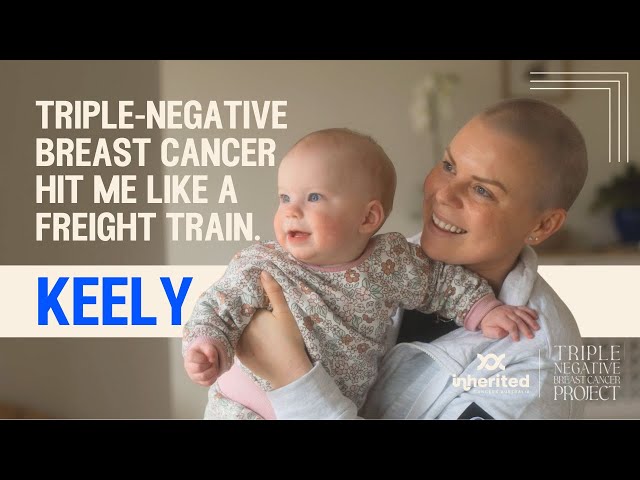
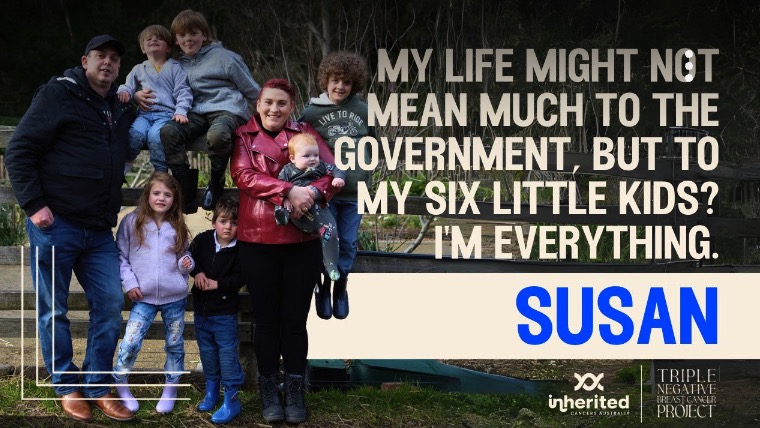
The stories in our Lived Experience docu-series are told by members of the OurTNBC Working Group. We hope you will find their shared experience helpful, and hopeful, whether you are a patient, carer or loved one of someone with triple negative breast cancer.
Beyond the Diagnosis: Confronting Triple-Negative Breast Cancer’ is a 3-part documentary series by Inherited Cancers Australia, sharing the compelling stories of Keely, Rhiannon, and Susan, all navigating the challenges of triple-negative breast cancer. By giving a voice to these patients and sharing their lived experiences, this documentary series serves as a call to action, advocating for early detection, better support, further research, and medical advancements for triple-negative breast cancer with Australian political decision-makers. Gilead was proud to support this project through an independent grant.
HealthDirect provides a helpful summary of the different types of mental health services across Australia, and how to access them.

Dimity Paul was 31 when she was diagnosed. Joining host Kellie Curtain to talk candidly about TNBC, her breast cancer journey with her own mother and how her recovery felt like a second round of puberty.

Triple-Negative Breast Cancer can be heavily associated with Black Women, this podcast discusses potential reasons why.

Interview with Kelly Thomas, a breast cancer survivor who was diagnosed with Stage 3C TNBC.


The Cancer Council’s publication Breast Cancer: Your guide to best cancer care is available to download in multiple languages

This workshop talks about TNBC and the fear of recurrence.




Chandra Dattani was diagnosed with triple negative breast cancer, even though her husband, a physician, found very little information about therapies or drugs that could heal her. Chandra Dattani and her family decided to fight back. They established the Chandra Dattani Memorial Fund in 2010 to support critical cancer research on an annual basis.
Help and support can help make the life of a carer easier. The Cancer Council has produced a summary of Australia services that can support carers of people living with cancer.

Shonel Bryant was diagnosed with triple negative breast cancer twice by the age of 38. She recorded a beautiful and powerful docu series called “Life on Standby” to share the intimacies of cancer through her eyes

Chat with Stormy Coelho about her triple negative breast cancer story as well as other diseases that she has survived. Stormy talks about the different types of breast cancer, the importance of staying on top of your health and getting things checked right away.
Our patient conversation this week is with Molly Clayton, who shares her very recent experience of finding – and eventually, being diagnosed with – breast cancer. Molly joins us from an emergency room to talk missed diagnoses, the power imbalance in medicine, and the simple act of just doing the test!
This US-based organisation has a large collection of interesting webinars about triple negative breast cancer.

This site is tailored to meet you where you are, offering practical resources, personal stories, insights, and more—all in one easy-to-navigate space. By choosing the stage relevant to you, the information available on this site will be tailored to you.
These are explanations of terms that medical professionals and others may use when discussing your TNBC.
Advanced breast cancer
A commonly used term for secondary, metastatic or stage 4 breast cancer
Adjuvant therapy/treatment
Treatment (e.g. chemotherapy) given after surgery.
Alopecia
Hair loss
Areola
The area around the nipple
Axillary dissection/clearance
The removal of some or all of the lymph nodes from the armpit to see if the breast cancer has spread beyond the breast.
Benign
Not cancerous
Biopsy
The removal of cells or tissue from the body to see if they are cancer cells
BRCA1 and BRCA2
Women with a fault, or mutation, in one of these genes have a higher than normal chance of developing breast or ovarian cancer
Breast conserving surgery
Surgery to remove breast cancer and a small area of healthy tissue around the cancer. Also known as lumpectomy.
Chemotherapy
Treatment for cancer using drugs
Clinical trials
Studies involving patients to see if a new treatment is better than an existing one
Complementary medicines
Complementary medicines are products that are used in addition to conventional medical treatments (e.g. chemotherapy and hormone therapies). Complementary medicines include vitamin and mineral supplements, such as fish oil capsules or vitamin D tablets, and herbal medicines.
Complementary therapies
Complementary therapies are practices that are used in addition to conventional medical treatments (e.g. chemotherapy and hormone therapies).Some examples of complementary therapies often used by women with breast cancer include massage, yoga, acupuncture and reflexology.
Double mastectomy
Removal of both breasts during breast cancer surgery
Ductal Carcinoma In Situ (DCIS)
Non-invasive breast cancer confined to the ducts of the breast
Early breast cancer
Breast cancer that has not spread beyond the breast or lymph nodes under the arm
Early menopause
Menopause occurring in women under 45 years of age. Early menopause is often a side effect of some common treatments for breast cancer.
Lymph nodes
Glands in the armpit and other parts of the body that filter and drain lymph fluid, trapping bacteria, cancer cells and any other particles that could be harmful to the body
Lymphoedema
A condition that sometimes develops when lymph nodes have been removed during breast cancer surgery and the lymph fluid no longer drains freely, causing swelling in the arm, hand or breast
Lumpectomy
Another name for breast conserving surgery
Mastectomy
The removal of the whole breast during breast cancer surgery
Metastatic breast cancer
Another term for secondary, advanced, or stage 4 breast cancer
Multidisciplinary Team
Often abbreviated to MDT. A team of health professionals who work together to manage a patient’s treatment and care
Neoadjuvant chemotherapy
Chemotherapy treatment given before breast cancer surgery (sometimes used to reduce the size of the tumour to make it easier for the surgeon to operate)
Oestrogen
A type of female hormone
Partial mastectomy
Another term for breast conserving surgery
PBS (Pharmaceutical Benefits Scheme)
A scheme funded by the Australian Government to subsidise the cost of certain drugs for eligible consumers
Progesterone
A type of female hormone
Radiotherapy
Treatment for cancer using X-rays that target a particular area of the body
Secondary breast cancer
Breast cancer that has spread from the breast to other, more distant parts of the body, most commonly the bones, lungs, liver and sometimes the brain. Also known as advanced, metastatic, or stage 4 breast cancer.
Sentinel node biopsy
identification and removal of the first lymph node to which the breast cancer may have spread for testing by a pathologist
Seroma
Fluid that collects in or around a scar after surgery
If you’re a patient, patient organisation, carer or healthcare professional, please let us know if you have any feedback or suggestions for our site.
We will endeavour to answer as soon as possible.